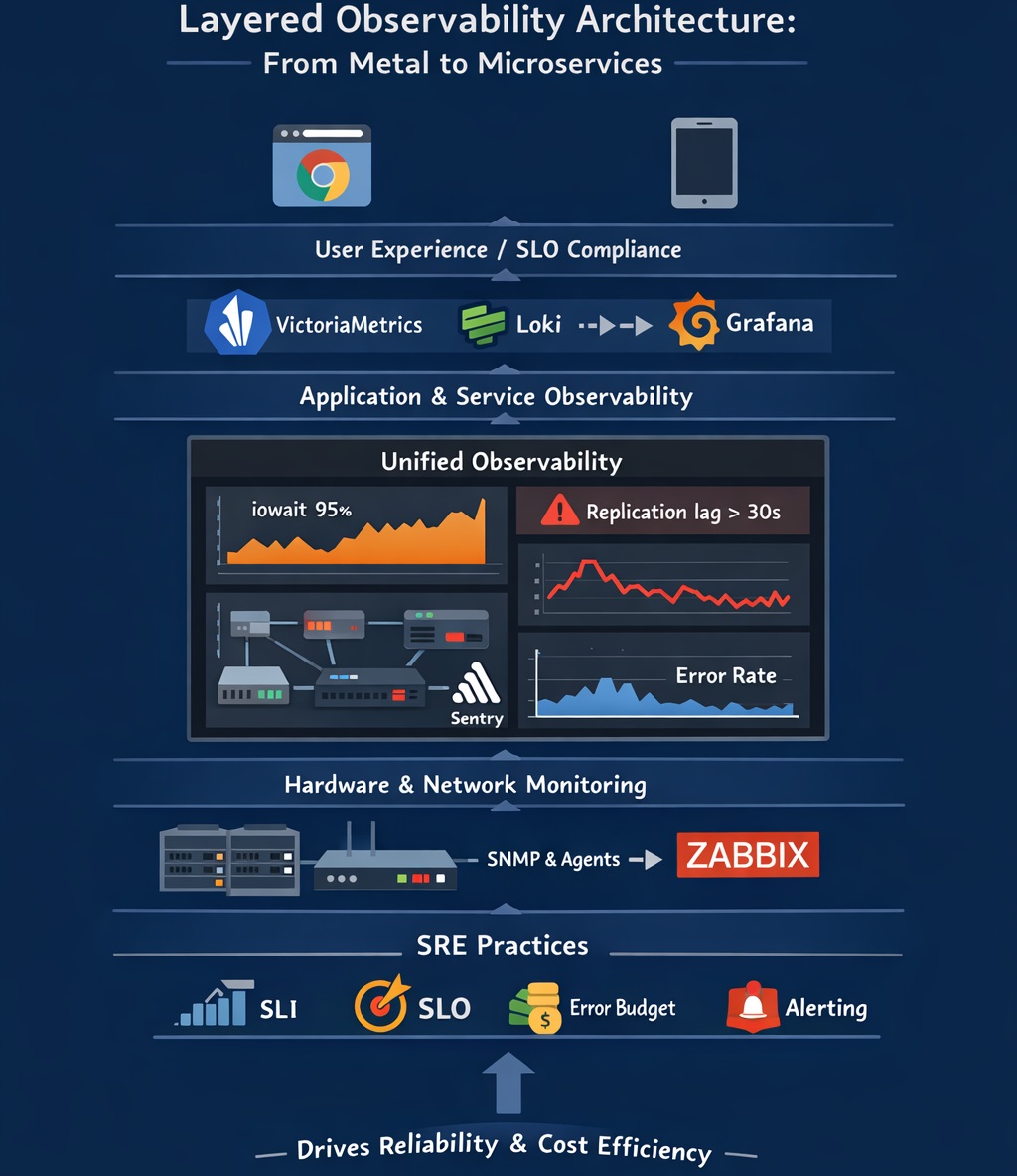
DevOps as a Service (DaaS) has emerged as a strategic model for organizations that need mature engineering practices but lack the in-house expertise or bandwidth to build and maintain a full DevOps function. Rather than hiring a dedicated team, companies partner with external specialists who embed DevOps culture, tooling, and automation into their delivery pipeline.
What DaaS Really Delivers
At its core, DaaS is not just about tools—it’s about outcomes. A capable DaaS provider implements:
- End-to-end CI/CD pipelines that enable safe, frequent releases
- Infrastructure as Code (IaC) for reproducible, version-controlled environments
- Observability stacks (metrics, logs, traces) to detect and resolve issues faster
- Security and compliance guardrails built into the delivery process
- Operational resilience through proactive monitoring and incident response
Who Benefits Most?
DaaS is particularly valuable for:
- Startups that need production-grade infrastructure without hiring a full SRE team
- Scale-ups experiencing growing pains in their release process or system reliability
- Enterprises modernizing legacy systems and seeking a bridge to cloud-native practices
- Product teams overloaded with operational tasks and unable to focus on feature development
Beyond Cost Savings: Strategic Advantages
While reducing operational overhead is a clear benefit, the true value of DaaS lies in:
- Accelerated time-to-market through automated testing and deployment
- Risk reduction via standardized, auditable processes
- Knowledge transfer that elevates internal engineering capability over time
- Access to specialized expertise in areas like Kubernetes, security, or cloud optimization
Choosing the Right Engagement Model
Successful DaaS isn’t a black-box service. It requires deep collaboration. The best providers work as an extension of your team—participating in architecture reviews, incident post-mortems, and planning sessions. This ensures solutions are tailored to your business context, not imposed as a one-size-fits-all template.
Conclusion
DevOps as a Service, when implemented thoughtfully, is more than an outsourcing tactic—it’s a strategic lever for engineering velocity and system reliability. The goal isn’t to replace your team, but to empower it with practices and automation that would take years to build independently. For many organizations, DaaS isn’t just practical—it’s the fastest path to production excellence.
← Back to Portfolio